quote:
"Scope" Is Meant to be Wider than "Flat"
Filling the full width of the screen for both 2.39:1 scope pictures and 1.85:1
flat pictures is almost as bad as "one size fits all" screens. This poor practice
has become a popular trend in modern theatre designs, especially those with
stadium seating. The misguided idea is to fill the front wall of the theatre with
the biggest image possible, regardless of the intended format. So instead of
maintaining the same image height for the scope and flat formats by using
adjustable side masking, both formats are projected with the same width. The
top and bottom masking are adjusted to letterbox the scope format, and
actually project a much smaller image than the flat format.
What's wrong with this picture? Plenty! First, the wider 2.39:1 scope format is
usually chosen to give pictures greater impact, than the more intimate 1.85:1
aspect ratio. Letterboxing it to a smaller image often violates the intent of the
cinematographer and director in telling a big story.
Image quality of the flat format suffers in comparison to the scope format,
especially when common width screens are used. The projectable image area
of the 1.85:1 flat format is only 65 percent of the much larger and efficient
scope format. It makes no sense to project the much smaller flat film image
area on the print to a much larger picture than scope on the screen. It simply
magnifies the grain and greatly reduces the light level. For example, a theatre
that is getting the SMPTE aim of 16 footlamberts for scope on a 25 x 60 foot
screen, will typically get only about 13 footlamberts for the less efficient flat
format on a 25 x 46 foot screen, which is still within the tolerances allowed by
the standard. But if they try to magnify the flat image to fill a 32 x 60 foot screen, they will only get a sub-standard 8 footlamberts, since the light must
be spread over a much larger screen area. When you project flat and scope
films to the same width on the screen, bigger is definitely not better!
![[Razz]](tongue.gif)
quote:Standard SMPTE 195 specifies 0.446 x 0.825 inches as the projectable image area for 1.85:1 "flat". But what's a "mil" among friends???
To me 445 x 824 is holy..I never crop that.
![[Wink]](wink.gif)
![[Big Grin]](biggrin.gif)
quote: Lyle RomerWell there's your problem. You have the screen on the wrong wall!!!
With common height, the scope image will be 10'5.5" x 25' and the flat image will be 10'5.5" x 19'4.2". This image will appear tiny because you have people (improperly) sitting over 5 screen heights away that will have a lot of black in their field of view.
quote:Way to go John!!!!!
"Scope" Is Meant to be Wider than "Flat"
Filling the full width of the screen for both 2.39:1 scope pictures and 1.85:1
flat pictures is almost as bad as "one size fits all" screens.
quote: John PytlakThat's the one great thing about common width screens. If the flat image is at least close to being properly lit, the scope image will be nice and bright.
But with common width, "scope" will be MUCH brighter than "flat", unless attention is paid to matching the light level.
![[Smile]](smile.gif)
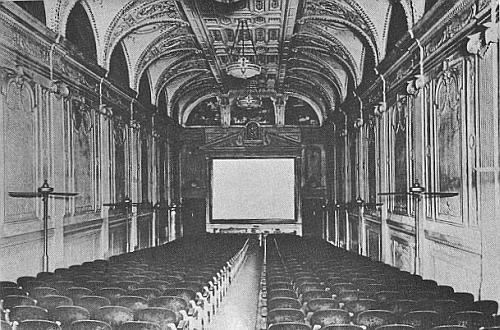
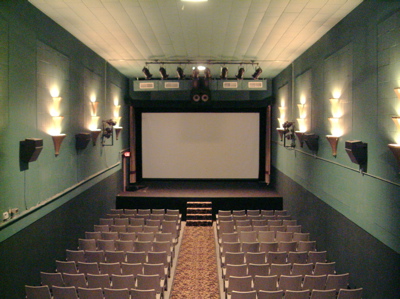
quote: Mark HajduckiNeat idea if the room is wider than the proscenium; in theatres like Steven Hart's, though, the room is no wider than the 'proscenium'.
The Electric Cinema London has a screen that 'folds' out from the proscenium arch for widescreen films
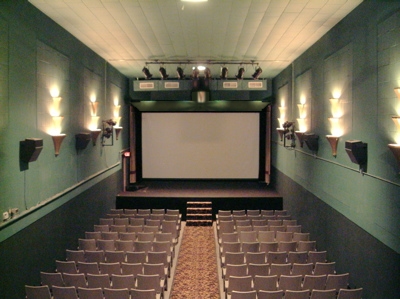
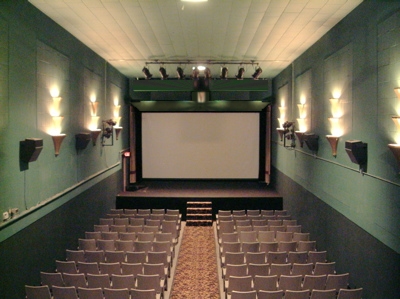
quote:If it works, it works, & it's working for me!
Many of you would really hate my theater!
![[Roll Eyes]](rolleyes.gif)
quote: Dave MacaulayStandard SMPTE 196M allows up to 22 footlamberts for theatres, with an aim of 16 footlamberts screen luminance. With a two blade shutter (48 interruptions per second), most people start to perceive the shutter flicker in bright scenes if the open gate luminance exceeds 22 footlamberts. You can go brighter at higher frame rates or with a three-blade shutter, and in most cases, the images look very good, but not necessarily what the director and cinematographer intended. (e.g., you might see something in the shadows they don't want you to see).
Too bright changes the "look" of the film as much as too dim does, and bright scenes will have annoying flicker.
quote:I don't understand. How would using a 3-blade shutter cause that?
You can go brighter. . . with a three-blade shutter, and in most cases, the images look very good, but not necessarily what the director and cinematographer intended. (e.g., you might see something in the shadows they don't want you to see).
![[Confused]](confused.gif)
quote:Going too high in screen luminance may let the audience see too much detail in the shadows. With an underexposed negative, the blacks in the print may look "milky" and you will notice the grain more. But a really well exposed scene and good print will usually look very good at higher screen luminance.
I don't understand. How would using a 3-blade shutter cause that? [Confused]
quote: Steven J HartSame here, I just have gotten to notice what's missing from the pipe batten, & why it was there by the way it looks when it's gone.
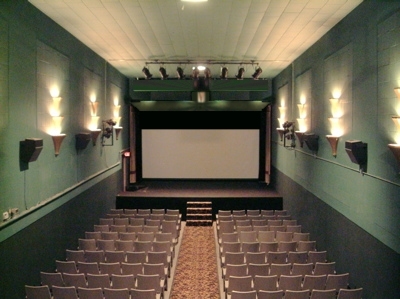
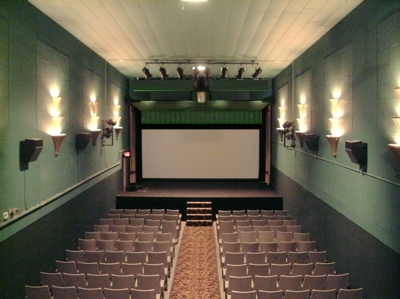
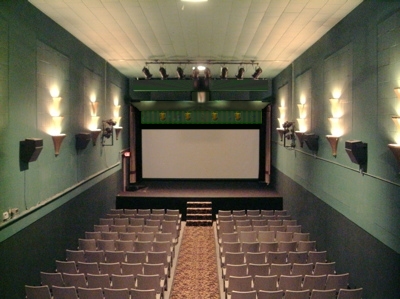
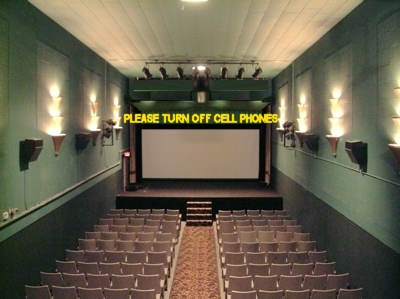
I've been looking for ideas on dressing stage area of the theater. I have almost no sense of "design"
quote: Carl MartinYou still should stay in the standard SMPTE 196M range of 12 to 22 footlamberts, and aim for 16 footlamberts. Whether the blades of a two-blade shutter are 90 or 100 degrees, it's still a two-blade shutter with 48 interruptions per second.
what open gate luminance would allow most people to perceive flicker if the shutter has two 100 degree blades?
quote: John PytlakI thought the standard was 16 +/- 2 foot lamberts.
Standard SMPTE 196M allows up to 22 footlamberts for theatres, with an aim of 16 footlamberts screen luminance.
quote:Screening rooms (e.g., where color timing decisions are made) have a tighter tolerance than theatres.
I thought the standard was 16 +/- 2 foot lamberts. [Confused]
quote: John Pytlakwell, we do have a flickery screen with 100 degree shutter blades. i'm pretty certain it's not anywhere near 22 ftlamberts even in scope, though i haven't measured it. apparently the flicker is not in the lamp itself, either.
You still should stay in the standard SMPTE 196M range of 12 to 22 footlamberts, and aim for 16 footlamberts. Whether the blades of a two-blade shutter are 90 or 100 degrees, it's still a two-blade shutter with 48 interruptions per second.
It has been 2926 days since the last post.
quote: Carl MartinCarl, YOU are right, and in this case your 'union guy' is a bit off base.
that was what i had suspected, but our union guy looked at the light (briefly) without the shutter running and said it was steady. i was surprised that a ripple would have been visually discernable without interference from the shutter
![[fu]](graemlins/fu.gif)