This is topic 2013 Academy Award Nominations - Let the griping begin! in forum Film-Yak at Film-Tech Forum ARCHIVE.
To visit this topic, use this URL:
https://ft-forum.com/ft/cgi-bin/ubb/ultimatebb.cgi?ubb=get_topic;f=8;t=006788
Posted by Mike Blakesley (Member # 26) on 01-10-2013, 11:43 AM:
BEST PICTURE:
"Amour"
"Argo"
"Beasts of the Southern Wild"
"Django Unchained"
"Les Misérables"
"Life of Pi"
"Lincoln"
"Silver Linings Playbook"
"Zero Dark Thirty"
BEST ACTOR:
Bradley Cooper in "Silver Linings Playbook"
Daniel Day-Lewis in "Lincoln"
Hugh Jackman in "Les Misérables"
Joaquin Phoenix in "The Master"
Denzel Washington in "Flight"
BEST ACTRESS:
Jessica Chastain in "Zero Dark Thirty"
Jennifer Lawrence in "Silver Linings Playbook"
Emmanuelle Riva in "Amour"
Quvenzhané Wallis in "Beasts of the Southern Wild"
Naomi Watts in "The Impossible"
DIRECTING:
"Amour" - Michael Haneke
"Beasts of the Southern Wild" - Benh Zeitlin
"Life of Pi" - Ang Lee
"Lincoln" - Steven Spielberg
"Silver Linings Playbook" - David O. Russell
BEST SUPPORTING ACTOR:
Alan Arkin in "Argo"
Robert De Niro in "Silver Linings Playbook"
Philip Seymour Hoffman in "The Master"
Tommy Lee Jones in "Lincoln"
Christoph Waltz in "Django Unchained"
BEST SUPPORTING ACTRESS:
Amy Adams in "The Master"
Sally Field in "Lincoln"
Anne Hathaway in "Les Misérables"
Helen Hunt in "The Sessions"
Jacki Weaver in "Silver Linings Playbook"
ORIGINAL SCREENPLAY:
"Amour" - Written by Michael Haneke
"Django Unchained" - Written by Quentin Tarantino
"Flight" - Written by John Gatins
"Moonrise Kingdom" - Written by Wes Anderson & Roman Coppola
"Zero Dark Thirty" - Written by Mark Boal
ADAPTED SCREENPLAY:
"Argo" - Screenplay by Chris Terrio
"Beasts of the Southern Wild" - Screenplay by Lucy Alibar & Benh Zeitlin
"Life of Pi" - Screenplay by David Magee
"Lincoln" - Screenplay by Tony Kushner
"Silver Linings Playbook" - Screenplay by David O. Russell
ANIMATED FILM:
"Brave" - Mark Andrews and Brenda Chapman
"Frankenweenie" - Tim Burton
"ParaNorman" - Sam Fell and Chris Butler
"The Pirates! Band of Misfits" - Peter Lord
"Wreck-It Ralph" - Rich Moore
ANIMATED SHORT:
"Adam and Dog" - Minkyu Lee
"Fresh Guacamole" - PES
"Head over Heels" - Timothy Reckart and Fodhla Cronin O'Reilly
"Maggie Simpson in 'The Longest Daycare'" - David Silverman
"Paperman" - John Kahrs
ORIGINAL SCORE:
"Anna Karenina" - Dario Marianelli
"Argo" - Alexandre Desplat
"Life of Pi" - Mychael Danna
"Lincoln" - John Williams
"Skyfall" - Thomas Newman
ORIGINAL SONG:
"Before My Time" from "Chasing Ice" - Music and Lyric by J. Ralph
"Everybody Needs A Best Friend" from "Ted" - Music by Walter Murphy; Lyric by Seth
MacFarlane
"Pi's Lullaby" from "Life of Pi" - Music by Mychael Danna; Lyric by Bombay Jayashri
"Skyfall" from "Skyfall" - Music and Lyric by Adele Adkins and Paul Epworth
"Suddenly" from "Les Misérables" - Music by Claude-Michel Schönberg; Lyric by
Herbert Kretzmer and Alain Boublil
CINEMATOGRAPHY:
"Anna Karenina" - Seamus McGarvey
"Django Unchained" - Robert Richardson
"Life of Pi" - Claudio Miranda
"Lincoln" - Janusz Kaminski
"Skyfall" - Roger Deakins
DOCUMENTARY FEATURE:
"5 Broken Cameras" - Emad Burnat and Guy Davidi
"The Gatekeepers" - Nominees to be determined
"How to Survive a Plague" - Nominees to be determined
"The Invisible War" - Nominees to be determined
"Searching for Sugar Man" - Nominees to be determined
DOCUMENTARY SHORT SUBJECT:
"Inocente" - Sean Fine and Andrea Nix Fine
"Kings Point" - Sari Gilman and Jedd Wider
"Mondays at Racine" - Cynthia Wade and Robin Honan
"Open Heart" - Kief Davidson and Cori Shepherd Stern
"Redemption" - Jon Alpert and Matthew O'Neill
FILM EDITING:
"Argo" - William Goldenberg
"Life of Pi" - Tim Squyres
"Lincoln" - Michael Kahn
"Silver Linings Playbook" - Jay Cassidy and Crispin Struthers
"Zero Dark Thirty" - Dylan Tichenor and William Goldenberg
FOREIGN LANGUAGE FILM
"Amour" (Austria)
"Kon-Tiki" (Norway)
"No" (Chile)
"A Royal Affair" (Denmark)
"War Witch" (Canada)
COSTUME DESIGN:
"Anna Karenina" - Jacqueline Durran
"Les Misérables" - Paco Delgado
"Lincoln" - Joanna Johnston
"Mirror Mirror" - Eiko Ishioka
"Snow White and the Huntsman" - Colleen Atwood
MAKEUP / HAIRSTYLING:
"Hitchcock" - Howard Berger, Peter Montagna and Martin Samuel
"The Hobbit: An Unexpected Journey" - Peter Swords King, Rick Findlater and Tami Lane
"Les Misérables" - Lisa Westcott and Julie Dartnell
PRODUCTION DESIGN:
"Anna Karenina" - Production Design: Sarah Greenwood; Set Decoration: Katie Spencer
"The Hobbit: An Unexpected Journey" - Production Design: Dan Hennah; Set Decoration:
Ra Vincent and Simon Bright
"Les Misérables" - Production Design: Eve Stewart; Set Decoration: Anna Lynch-Robinson
"Life of Pi" - Production Design: David Gropman; Set Decoration: Anna Pinnock
"Lincoln" - Production Design: Rick Carter; Set Decoration: Jim Erickson
LIVE ACTION SHORT FILM:
"Asad" - Bryan Buckley and Mino Jarjoura
"Buzkashi Boys" - Sam French and Ariel Nasr
"Curfew" - Shawn Christensen
"Death of a Shadow (Dood van een Schaduw)" - Tom Van Avermaet and Ellen De Waele
"Henry" - Yan England
SOUND EDITING:
"Argo" - Erik Aadahl and Ethan Van der Ryn
"Django Unchained" - Wylie Stateman
"Life of Pi" - Eugene Gearty and Philip Stockton
"Skyfall" - Per Hallberg and Karen Baker Landers
"Zero Dark Thirty" - Paul N.J. Ottosson
SOUND MIXING:
"Argo" - John Reitz, Gregg Rudloff and Jose Antonio Garcia
"Les Misérables" - Andy Nelson, Mark Paterson and Simon Hayes
"Life of Pi" - Ron Bartlett, D.M. Hemphill and Drew Kunin
"Lincoln" - Andy Nelson, Gary Rydstrom and Ronald Judkins
"Skyfall" - Scott Millan, Greg P. Russell and Stuart Wilson
VISUAL EFFECTS:
"The Hobbit: An Unexpected Journey" - Joe Letteri, Eric Saindon, David Clayton and R. Christopher White
"Life of Pi" - Bill Westenhofer, Guillaume Rocheron, Erik-Jan De Boer and Donald R. Elliott
"Marvel's The Avengers" - Janek Sirrs, Jeff White, Guy Williams and Dan Sudick
"Prometheus" - Richard Stammers, Trevor Wood, Charley Henley and Martin Hill
"Snow White and the Huntsman" - Cedric Nicolas-Troyan, Philip Brennan, Neil Corbould and Michael Dawson
[ 01-11-2013, 12:55 AM: Message edited by: Adam Martin ]
Posted by Bobby Henderson (Member # 840) on 01-10-2013, 12:25 PM:
I'll throw in the first gripe. No nominations for The Master, Samsara or The Dark Knight Rises in the Best Cinematography category. Two 5/65mm photographed films and one with a great deal of 15/65mm IMAX footage, none of which got any love from the Academy. Basically a shutout for 70mm film.
And I wouldn't be surprised to see the Best Cinematography Oscar going to Life of Pi, one of the two nominees produced on video rather than film (Skyfall is the other).
Posted by Paul Linfesty (Member # 214) on 01-10-2013, 12:26 PM:
I noticed Lincoln was left off your list for Best Picture. And I suspect it will be the picture that will win, now the the director of Zero Dark Thirty didn't get a nomination. Because of the new way the Oscars tabulate ballots (using a ranking system instead of just choosing the best), I can't imagine anyone hating Lincoln. It's a solid, safe film. Not my choice for best of the year, but this system will prevent a film like Crash from ever winning again (polarizing films get kicked out with how they pile these ranked ballots).
Posted by Mike Blakesley (Member # 26) on 01-10-2013, 01:00 PM:
Crap, I know how that happened too. In the interest of making a nice neat list I edited off the lists of producers after each title. Guess I got the "Lincoln" line included in the producers list for one of the films adjoining.
The editing time is expired so could one of the moderators go back in and fix that please?
Posted by Paul Linfesty (Member # 214) on 01-10-2013, 01:10 PM:
From the LA Times website:
Oscar nominations 2013: Cinematography nods honor digital over film Oscar Nominations 2013 Cinematography
By Chris Lee
January 10, 2013, 11:00 a.m.
Of the five men nominated for best achievement in cinematography Thursday morning, only one among them shot his movie the old fashioned way — on 35-millimeter film stock — as opposed to the new industry standard — digital film.
Three-time Oscar winner Bob Richardson, the go-to cinematography ace for such directors as Martin Scorsese and Oliver Stone, was honored for his work on Quentin Tarantino’s lushly visual slavery-revenge-drama-cum-spaghetti-western “Django Unchained.”
“I don’t know if another nomination will come my way for the remainder of my life that will be for work I do on film,” said Richardson, who was sound asleep in Malibu when his nomination was announced. “Quentin doesn’t want to be involved with any project that isn’t film-oriented in the feature market. His love of film is so high, to have this film in particular be recognized is a great honor.”
Richardson’s competition in the category — Seamus McGarvey for “Anna Karenina,” Claudio Miranda for “Life of Pi,” Janusz Kaminski for “Lincoln” and Roger Deakins for “Skyfall” — all relied upon digital format film for their movies.
Speaking from Vancouver, Canada, on Thursday, McGarvey sounded flabbergasted to have landed an nomination at all. He had been so dismissive of his chances, he said, that he made a $100 bet with the director of the movie he’s currently working on that he’d be passed over.
“I will hand over that hundred with relish and glee,” said McGarvey.
He applauds “Anna Karenina” director Joe Wright’s meta-narrative choice to stage the adaptation of Leo Tolstoy’s novel as a faux theater production, enabling the cinematographer to crank up the eye candy factor on the film — resulting in a windfall of Oscar nominations including best costume design and production design.
“This film is very different from the films I normally work on,” McGarvey said. “It was inspired by Joe’s idea to create the film in a theatrical environment and because of that, it streamlined the visuals — from the production design to the costume design to the photography. The rarefied atmosphere of the theater allowed me to be more expressive. For me, it was really a revelation.”
Posted by Bobby Henderson (Member # 840) on 01-10-2013, 01:48 PM:
Not that sites like IMDB.com are 100% accurate, but they show Lincoln and Anna Karenina both being shot on film, not "digital film" either. Hint to that writer: "digital film" is video, there's no celluloid involved.
IMDB's listed specs on Lincoln:
Camera
Panavision Panaflex Millennium XL2, Panavision Primo and Super Speed Z-Series MKII Lenses
Panavision Panaflex Platinum, Panavision Primo and Super Speed Z-Series MKII Lenses
Film length (metres)
4104 m (8 reels)
Film negative format (mm/video inches)
35 mm (Kodak Vision3 250D 5207, Vision3 500T 5219)
Cinematographic process
Digital Intermediate (4K) (master format)
Super 35 (3-perf) (source format)
Printed film format
35 mm (anamorphic) (Kodak Vision 2383)
D-Cinema
Aspect ratio
2.35 : 1
IMDB's specs on Anna Karenina:
Camera
Panavision Panaflex Millennium XL2, Panavision E-, G-Series, ATZ and AWZ2 Lenses
Laboratory
Company 3, London, UK (digital intermediate)
DeLuxe, London, UK
Film length (metres)
3549 m (7 reels)
Film negative format (mm/video inches)
35 mm (Kodak Vision3 250D 5207, Vision3 500T 5219)
Cinematographic process
Digital Intermediate (2K) (master format)
Panavision (anamorphic) (source format)
Printed film format
35 mm (Kodak Vision 2383)
D-Cinema
Aspect ratio
2.35 : 1
I also seem to remember Steven Spielberg being one of the more vocal supporters of sticking with shooting movies on film. He said he would keep shooting movies on film until that kind of equipment wasn't available to use anymore.
Posted by Paul Linfesty (Member # 214) on 01-10-2013, 01:55 PM:
Lincoln definitely looked like it had originated on film to me (even though i saw it digitally in 4K). So I was surprised at this article. It will be interesting to see responses from the industry to the LA Times article. Haven't seen Anna Karenina. My big problem with Life of Pi is how much of the look was created by the cinematographer and hhow much was the result of the digital artists tinkering with the image after it was shot that gave it its look? If I understand correctly, all of the shots that took place at sea had added water (even though it was shot in a tank) and sky.
Posted by Paul Linfesty (Member # 214) on 01-10-2013, 03:19 PM:
OK the LA Times article has now been updated (corrected) to report that only TWO films were shot on 35mm, the other one (besides Django Unchained) being Lincoln.
And the L.A. Times is STILL wrong in the case of Anna Karenina, according to this article from Collider dot com:
A lot of cinematographers are moving to digital right now. What are your feelings on digital versus film, and what did you chose for Anna Karenina?
McGarvey: Well, we shot on celluloid, on film, and we shot with anamorphic lenses and that was a decision that I felt was really essential, just for the textural look of the film and the feel of the film. The way that anamorphic allows you, and particularly the aspect ratio, CinemaScope the 2:40 frame allowed us to push people to the edge and explore the space between people as well as look at groups of people, you know, you can frame two close ups in the one frame, so it’s an exciting compositional tool. But in terms of the material, I mean, it’s an ongoing debate about digital and film. The way I see it, I’ve only shot one film digitally and that was The Avengers and I had a wonderful experience on it, it was an appropriate tool for that job and it worked. But I think realistically were lucky as cinematographers in our era right now because we have the choice. I mean I love film, but I think that digital is offering many great possibilities for cinematographers. Particularly in urban cityscapes and low light photography its allowing us to render what we actually see with our eyes; which is interesting.
Well I was going to say a lot of people are using the Arri Alexa or the RED Epic, do you have a preference between the two?
McGarvey: No, I take every film as it comes. And sometimes, you know, the RED EPIC – both of them are great cameras, but they’re quite different. The RED is small scale, which makes it very user friendly for 3D for instance, and sort of minimizes the kind of skips and break. I actually I love the Alexa and I think it’s a great camera; it kind of bridges kind of the feel of film. It has a texture and a feel that I recognize from film, but both are great cameras. And there are many other cameras on the market too. The Sony S55 is just an extraordinary individual camera. But every film I do I’ll look at the choices available and see what’s appropriate for the job at hand.
Posted by Shawn M. Martin (Member # 6762) on 01-10-2013, 04:28 PM:
Meaning that, as 3 out of 5 nominees were shot on film, the entire premise of the article is false!
What an incredibly stupid writer this guy is.
Posted by Joe Redifer (Member # 3) on 01-10-2013, 05:10 PM:
There seems to be two missing movies from the Best Picture category as I only count eight. Obviously one is Lincoln and the other is probably Twilight.
Posted by Claude S. Ayakawa (Member # 1401) on 01-10-2013, 06:36 PM:
TWILIGHT? ![[Confused]](confused.gif)
-Claude
Posted by Dennis Benjamin (Member # 1137) on 01-10-2013, 07:14 PM:
The new "Twilight" leads the Razzie nominations.. It'll probably win "Worst Movie of 2012".
I like when the Oscar nominations come out. I seek out the films I've never heard of and watch them. Never disappointed.
Posted by Melanie Loggins (Member # 6454) on 01-10-2013, 07:47 PM:
I'm more interested in complaining about Seth McFarlane.
Posted by Jonathan Goeldner (Member # 4854) on 01-10-2013, 09:56 PM:
sound mixing nom for 'Les Miz' - HAH! it didn't impress me in the slightest.
'Mirror Mirror's nom for Costumes - ![[thumbsup]](graemlins/thumbsup.gif)
glad that Aardman's 'The Pirates! Band of Misfits' was nominated
Posted by Mike Blakesley (Member # 26) on 01-10-2013, 10:42 PM:
Joe - nope it's 9 pics, like last year. (Yes, I definitely think Twilight should have been included. Also, Battleship and Ted.) ![[Big Grin]](biggrin.gif)
Posted by Dustin Mitchell (Member # 372) on 01-11-2013, 12:53 AM:
I liked Django but it certainly wasn't QT's best effort, much less Best Picture worthy.
But oh well, the Oscars are little more than a popularity contest ran by a private club. I've never really gotten in a twist over them, and as a theater employee, I am simply grateful for all the free publicity and interest in movies 'Oscar buzz' generates.
Posted by Mark J. Marshall (Member # 1409) on 01-11-2013, 04:06 AM:
I really don't care about the Oscars any more. Or any of the awards shows for that matter.
But in the interest of picking a winner... I've seen two of the best picture films - Lincoln and Les Misérables. I pick Lincoln.
That is all. I'll find out the following morning if I was correct.
Posted by Scott Jentsch (Member # 1681) on 01-11-2013, 09:20 AM:
The Dark Knight Rises team must be very disappointed at being shut out. With the second installment getting 8 noms and 2 wins, and many of the same people involved in TDKR, it almost seems like a snub by the Academy this time around.
I will admit though, that much like The Hobbit, The Dark Knight Rises didn't have the same impact that its predecessor(s) did.
Posted by Bobby Henderson (Member # 840) on 01-11-2013, 12:43 PM:
quote: Seamus McGarvey
I mean I love film, but I think that digital is offering many great possibilities for cinematographers. Particularly in urban cityscapes and low light photography its allowing us to render what we actually see with our eyes; which is interesting.
Not to knock Seamus McGarvey's knowledge or abilities as a cinematographer, but there's a couple things wrong with that statement.
First, these video camera systems acting as replacements for feature motion picture film camera systems are at their WORST when shooting in low light. Movies shot on video do more to reveal their video-based DNA in low light scenes. A movie scene shot in low light on 35mm could be underexposed, but every frame is still going to be absolutely discrete. No latent, unresolved smeared, ghosted, blurry, soft crap is going to find its way into the next few frames. That laggy feel makes it seem like the video camera is simulating the vision of a drunk person. Both CCD and CMOS devices will struggle in low light. You can crank up the gain (or ISO) to speed up the chip, but that will further soften detail and add more noise. I'm certain video imaging chips will continue to get better, but for now they still have quite some way to go.
Second thing: what we see with our eyes. There isn't a standard film or video camera around that can see what normal, healthy human vision sees. Aside from resolution and field of view of human vision, film and video cameras can't see the dynamic range we see. I've seen one comparision describe human vision being 8 stops wide and a very good camera only 5 stops wide. This is one reason why High Dynamic Range (HDR) photography has become more popular in recent years.
Right now video cameras aren't really meeting all the requirements necessary to end film production. But it appears to be happening anyway. In order for a video camera to really see what we see its imaging chips and perhaps even its lenses would have to be a hell of a lot better than the best of what's available today. Not only would the camera have to perform very well in low light but it would probably have to record HDR-based footage and intelligently tone map it in real time. I don't think we'll see that anytime soon.
Posted by Mark J. Marshall (Member # 1409) on 01-11-2013, 01:17 PM:
Oh, and no "2016" on the documentary list? At least everyone has HEARD of that one. Not to mention it was pretty damn successful for a documentary. Go figure.
Posted by Mike Blakesley (Member # 26) on 01-11-2013, 03:43 PM:
If Obama had lost maybe it would have been nominated.
Posted by Martin McCaffery (Member # 37) on 01-11-2013, 04:09 PM:
Inasmuch as it didn't make the "short list" back in December, it's not really a surprise.
Considering all the hype Weinstein put into Bully, which did make the short list, I bet he's pissed. I bet he's always pissed anyway.
Posted by Mike Blakesley (Member # 26) on 01-11-2013, 06:13 PM:
quote: Scott Jentsch
The Dark Knight Rises didn't have the same impact that its predecessor(s) did.
I think Aurora kind of took the shine off of it.
Posted by Joe Redifer (Member # 3) on 01-11-2013, 06:43 PM:
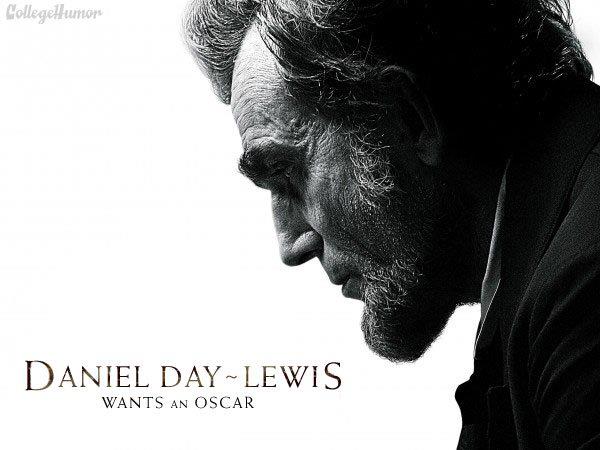
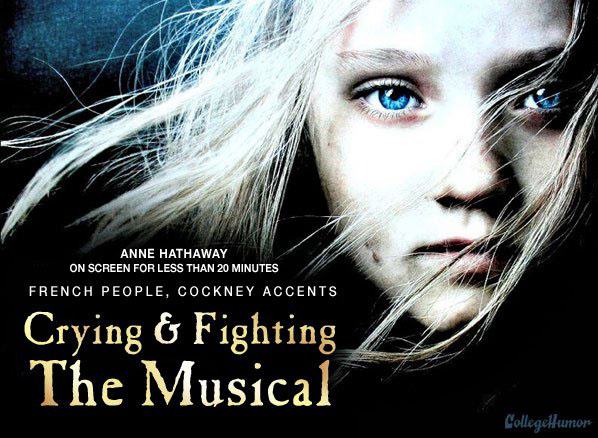
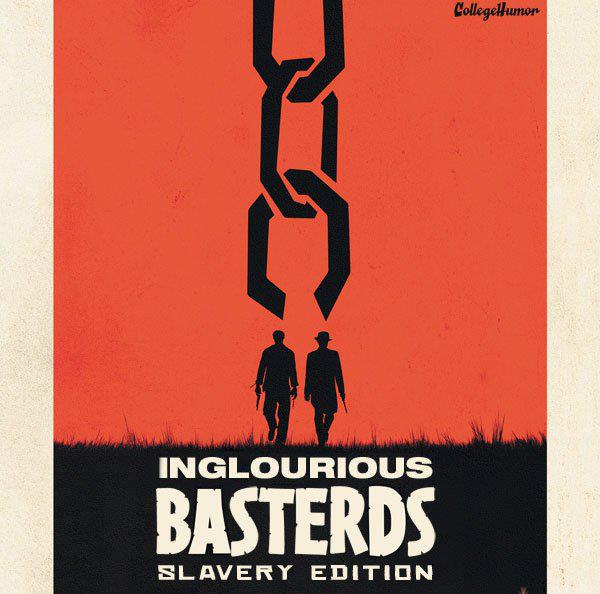
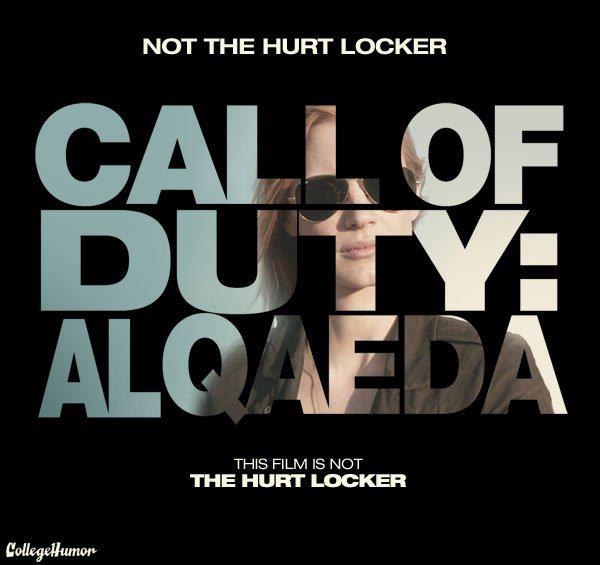
Honest titles for the nominated "pictures".
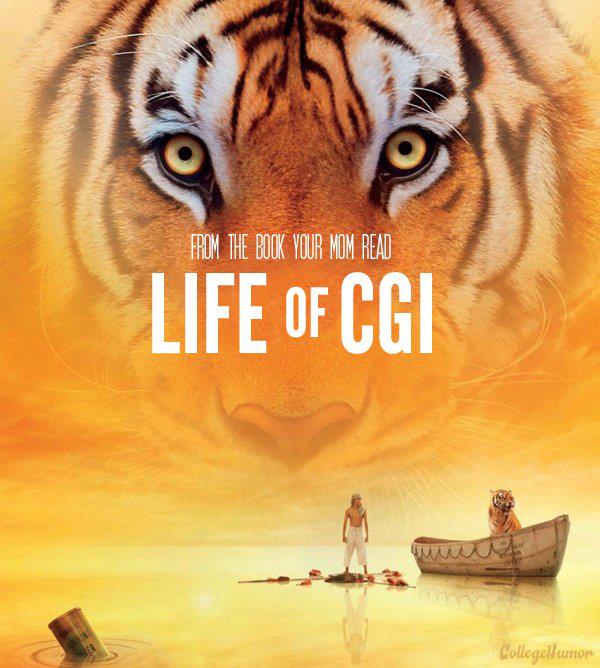
Can someone please reply so I can post the rest? I have more but can't reply to myself or post them all in one post. Even just gibberish in your post will be fine. Just any reply will do so I can finish this.
Posted by Graham Ritchie (Member # 5226) on 01-11-2013, 08:50 PM:
And the "Oscar" goes to zzzzzzzzzzzzzzzzzzzzzz ![[Wink]](wink.gif)
Posted by Joe Redifer (Member # 3) on 01-11-2013, 11:05 PM:
Thank you.
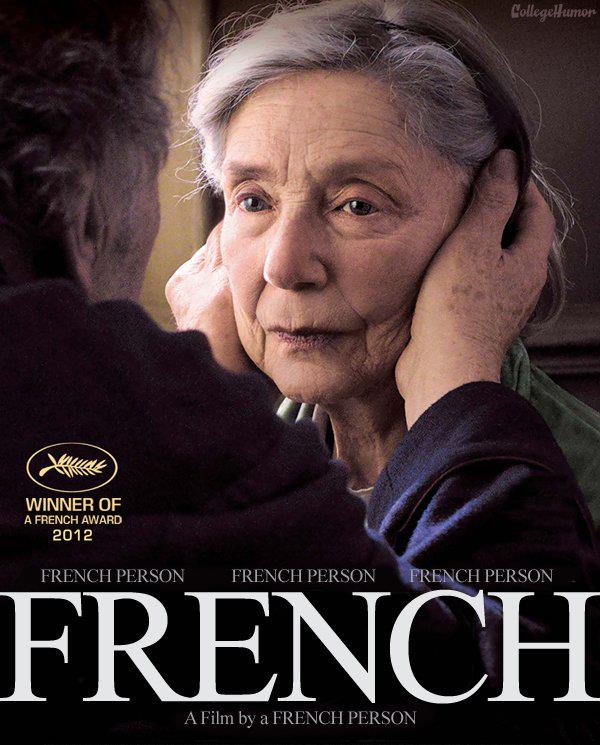
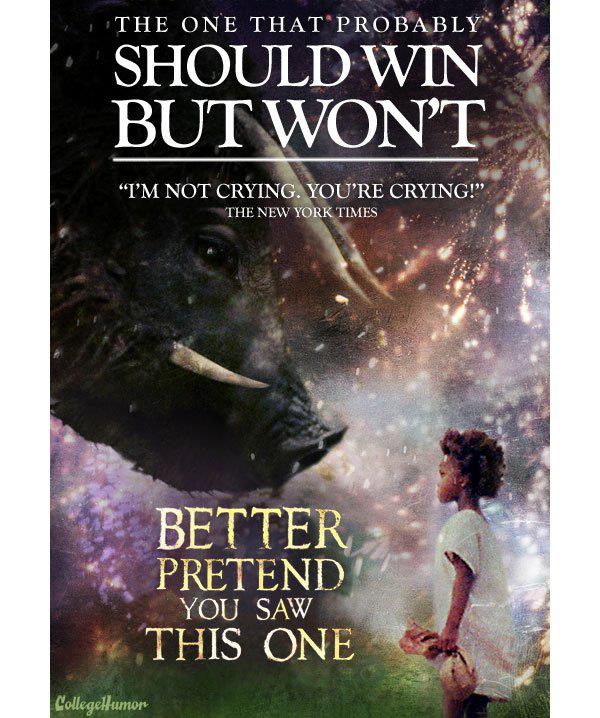
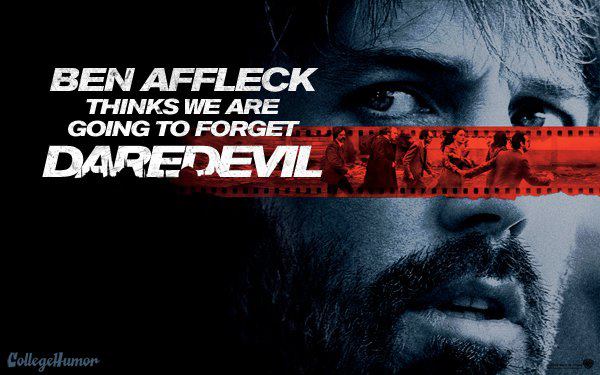

Posted by Andrew Thomas (Member # 7000) on 01-12-2013, 12:27 PM:
quote: Bobby Henderson
Not to knock Seamus McGarvey's knowledge or abilities as a cinematographer, but there's a couple things wrong with that statement.
First, these video camera systems acting as replacements for feature motion picture film camera systems are at their WORST when shooting in low light. Movies shot on video do more to reveal their video-based DNA in low light scenes. A movie scene shot in low light on 35mm could be underexposed, but every frame is still going to be absolutely discrete. No latent, unresolved smeared, ghosted, blurry, soft crap is going to find its way into the next few frames. That laggy feel makes it seem like the video camera is simulating the vision of a drunk person. Both CCD and CMOS devices will struggle in low light. You can crank up the gain (or ISO) to speed up the chip, but that will further soften detail and add more noise. I'm certain video imaging chips will continue to get better, but for now they still have quite some way to go.
You are completely wrong. Modern digital cams dominate film in low light, while film is still the undisputed king of highlights.
Posted by Paul Linfesty (Member # 214) on 01-12-2013, 11:42 PM:
Well, the L.A. Times article I posted has been updated again with a new title saying that Digital Cinematography is making inroads into the Oscar nominations. It now includes Anna Karenina as having originated on film. Strangely, there is a note at the end of the article that states an earlier version of the article was wrong in saying Karenina was shot on "digital film." If the article had really said that and Karenina HAD been shot digitally, it would still have been wrong. And this from a newspaper that has prided itself on coverage of the hometown industry!
Posted by Bobby Henderson (Member # 840) on 01-15-2013, 02:31 PM:
quote: Andrew Thomas
You are completely wrong. Modern digital cams dominate film in low light, while film is still the undisputed king of highlights.
No. I'm completely right. All too often video footage shot in low light looks like shit. There's no getting away from that.
quote: Paul Linfesty
Well, the L.A. Times article I posted has been updated again with a new title saying that Digital Cinematography is making inroads into the Oscar nominations.
That article is years too late on bringing that "news" to anyone. I guess the writer missed the cinematography Oscar nominations in 2008. Slumdog Millionaire -a movie shot on video, won the Oscar. The Curious Case of Benjamin Button, also nominated, was shot on video. IMHO, The Dark Knight should have won that year.
Posted by Mike Blakesley (Member # 26) on 01-15-2013, 02:38 PM:
Maybe he's confusing the difference between "looks like shit" and "you can see stuff in the dark." On a lot of video footage you can see stuff in the dark but it looks terrible. On a lot of film footage it looks wonderful but you can't see all the stuff in the image due to the lighting.
Posted by Jim Cassedy (Member # 4115) on 01-15-2013, 05:47 PM:
I've been involved in private screenings for both The Academy
and the DGA since mid December. I'm about to start a 2nd round
of screenings now that nominations have been announced, so
that members of those organizations can cast final votes.
(I'll be doing one of those screenings later tonight)
It's interesting to note that in some cases, either the
director or the distributer INSISTS on 35mm projection over
digital for some of the titles, no matter how they were shot.
(change-over, naturally)
I'm not sure if these instructions are followed nationally
or regionally, or what. And I'm contractually prohibited
from discussing any of the titles or the members' reactions
to them, so don't ask me which have been 35mm or digital.
(although I suppose it's OK after the awards ceremony)
Posted by Andrew Thomas (Member # 7000) on 01-15-2013, 06:05 PM:
There is no confusion. The problem is that DPs are more likely to shoot extreme low light on digital because of the sensitivity of the sensors relative to even the fastest film stock. If DPs would shoot lowlight the same way they do on film, you would get a pretty similar image.
Basically, film is no where near as sensitive as the sensors in an Alexa or Epic or F65 so DPs don't push their luck. They are more willing to do so with digital sensors.
It's actually one of the great ironies of digital. You can do more setups and shoot more takes per day, so individual takes suffer. You can shoot with less light because of the more sensitive sensors, so they end up using too little light.
But you're still factually wrong about digital being worse in low light than film.
Posted by Joe Redifer (Member # 3) on 01-15-2013, 06:28 PM:
YOU CAN DO LOW LIGHT ON FILM! Just open your aperture to f0.0, slow the shutter speed to 1/1, run the film through the camera at one frame per second and tell your actors to move really slow. But it probably won't matter because they won't be in focus anyway.
Posted by Andrew Thomas (Member # 7000) on 01-15-2013, 07:19 PM:
Posted by Bobby Henderson (Member # 840) on 01-15-2013, 09:50 PM:
The finished footage speaks for itself. Movies with location shoots at night or other scenes that feature a lot of dark areas in the frame will look better shot on film than video.
Film is a passive medium. The negative is only going to expose based on manual choices made with lighting, camera setup, etc. You can park a Musco semi-truck equipped with a stadium style light at the end of a city block and back-light a fight scene on a wet street with the action taking place entirely in silhouette. That sort of thing often looks great on film.
On video that sort of thing often looks like shit. That's because the imaging system inside a video camera has a mind of its own. It's trying like hell to see what it can't see in the black silhouettes of the actors and other dark areas of the frame. The resulting lag kills image detail and motion clarity. Certain camera systems exhibit this problem more often than others. The Panavision Genesis is particularly bad about it.
Then you have to consider the digital bandwidth available to shoot and record the footage in the first place. Digital camera chips don't record their levels of light to dark evenly. They record more shades in the highlight levels and fewer in the darkest levels. This issue won't be as big a problem if the video footage is shot at "deep color" levels of bit depth, but that consumes a lot more disc space and bandwidth.
Video cameras actually do a lot better in bright/daylight conditions. It's harder to tell the difference between a movie shot on video or film when the footage was shot in bright settings.
Posted by Andrew Thomas (Member # 7000) on 01-15-2013, 11:05 PM:
You are literally just making stuff up at this point. If you sleep better thinking that, good on ya.
Posted by Mike Blakesley (Member # 26) on 01-16-2013, 12:11 AM:
Andrew, if you're wanting to get into a war of words with Bobby you're seriously going to have to do better than that. I mean, quit beating around the bush; if you've got knowledge, bring it.
Posted by Mark J. Marshall (Member # 1409) on 01-16-2013, 12:28 PM:
This should be good.

Posted by Andrew Thomas (Member # 7000) on 01-16-2013, 06:10 PM:
When you take a position that defies the consensus opinion of the profession and the scientific understanding of the technology, it is up to you to provide evidence supporting your alternate hypothesis.
Just like flat-earthers are welcome to their opinion, he is welcome to his opinion.
Posted by Brad Miller (Member # 2) on 01-16-2013, 09:05 PM:
quote: Bobby Henderson
It's harder to tell the difference between a movie shot on video or film when the footage was shot in bright settings.
Except when they clip the highlights. I cannot stand that.
Posted by Bobby Henderson (Member # 840) on 01-17-2013, 09:15 AM:
quote: Andrew Thomas
When you take a position that defies the consensus opinion of the profession and the scientific understanding of the technology, it is up to you to provide evidence supporting your alternate hypothesis.
Andrew, if you're going to say I'm wrong be specific about how I'm wrong. If I'm "making up stuff" specifically what am I making up? Don't post a lame statement like the one above where you imply the field of cinematography prefers shooting video.
quote: Andrew Thomas
Just like flat-earthers are welcome to their opinion, he is welcome to his opinion.
How about opening your eyes and objectively looking at the footage in movies shot on video rather than ignorantly being geeked over by the word "digital." Do you realize something can be shot in "digital" and end up looking pretty bad?
I can shoot 1080p footage with my Canon EOS 5D Mark II at up to 25600 ISO. Do I ever use that setting? Hell no! The end results will look like shit. I'll only increase the gain level in my camera when I have no other choice. I laugh at these extreme ISO settings on new DSLR cameras the way I laughed at the "this camera shoots in Zero Lux" claims I saw with sales literature on certain video cameras back in the 1990s. Someone in the sales department at the TV station would see that, "hey we won't have to bring lights to a commercial shoot anymore!" Uh, yeah right. The only good thing I can see coming from some of these new DLSR models with ISO capabilities of up to 204800 is perhaps their sensitivity range between 1600 ISO and 6400 ISO won't look so bad.
Andrew, if you still don't understand where I'm coming from, this is all about getting professional quality results. Movies shot on video often dip below that bar. But there's enough techno-geeks out there biased to anything "digital" and the democratizing effect it's having on "filmmaking" everywhere that they gleefully ignore the fact the finished footage doesn't look as good as it would if it were shot on film. And that's how a movie like Slumdog Millionaire can win a Best Cinematography Oscar.
Powered by Infopop Corporation
UBB.classicTM
6.3.1.2