
Rustin Thompson’s The Last Picture Shows is all about the love for the cinematic experience. Most importantly, it’s about how it can be preserved, and about the people who are trying to preserve it. Mind you, it’s also a documentary focused on a very specific type of cinema in a specific area of the United States, but even through such a particular lens, it manages to feel like it’s talking about cinema in general and all kinds of cinephiles all over the world. Thus, it has the power of making its viewers nostalgic for experiences they might not have actually had, ending in a surprisingly hopeful manner.
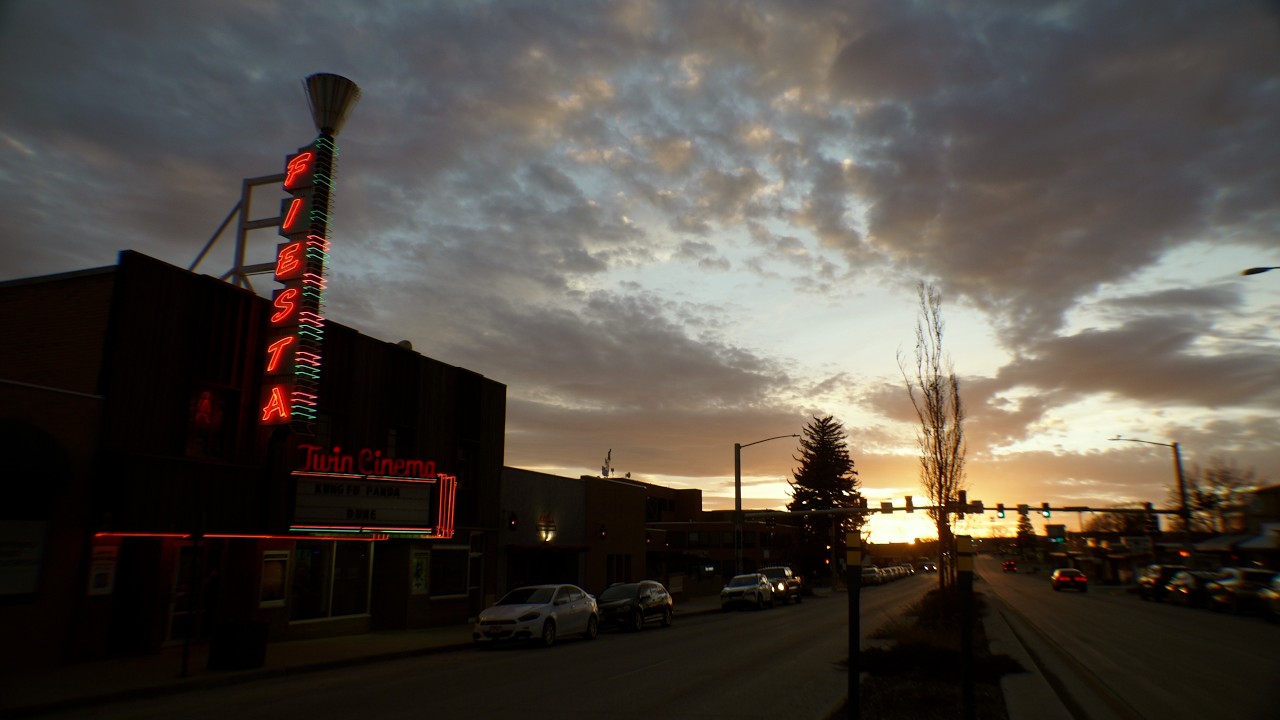
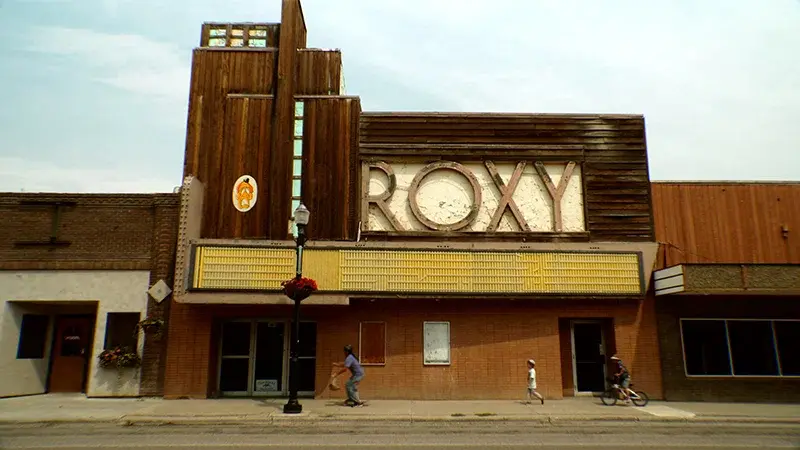
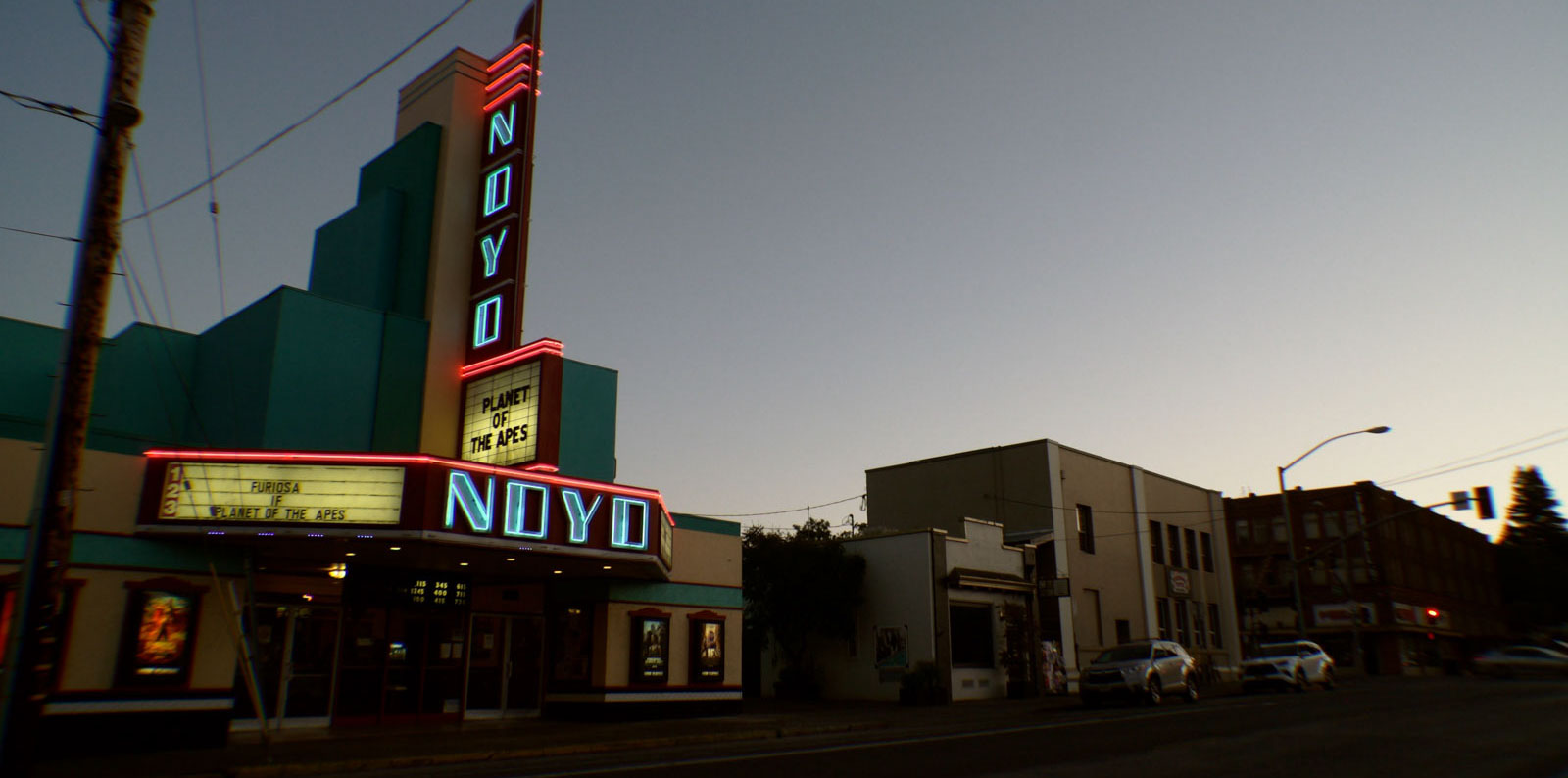
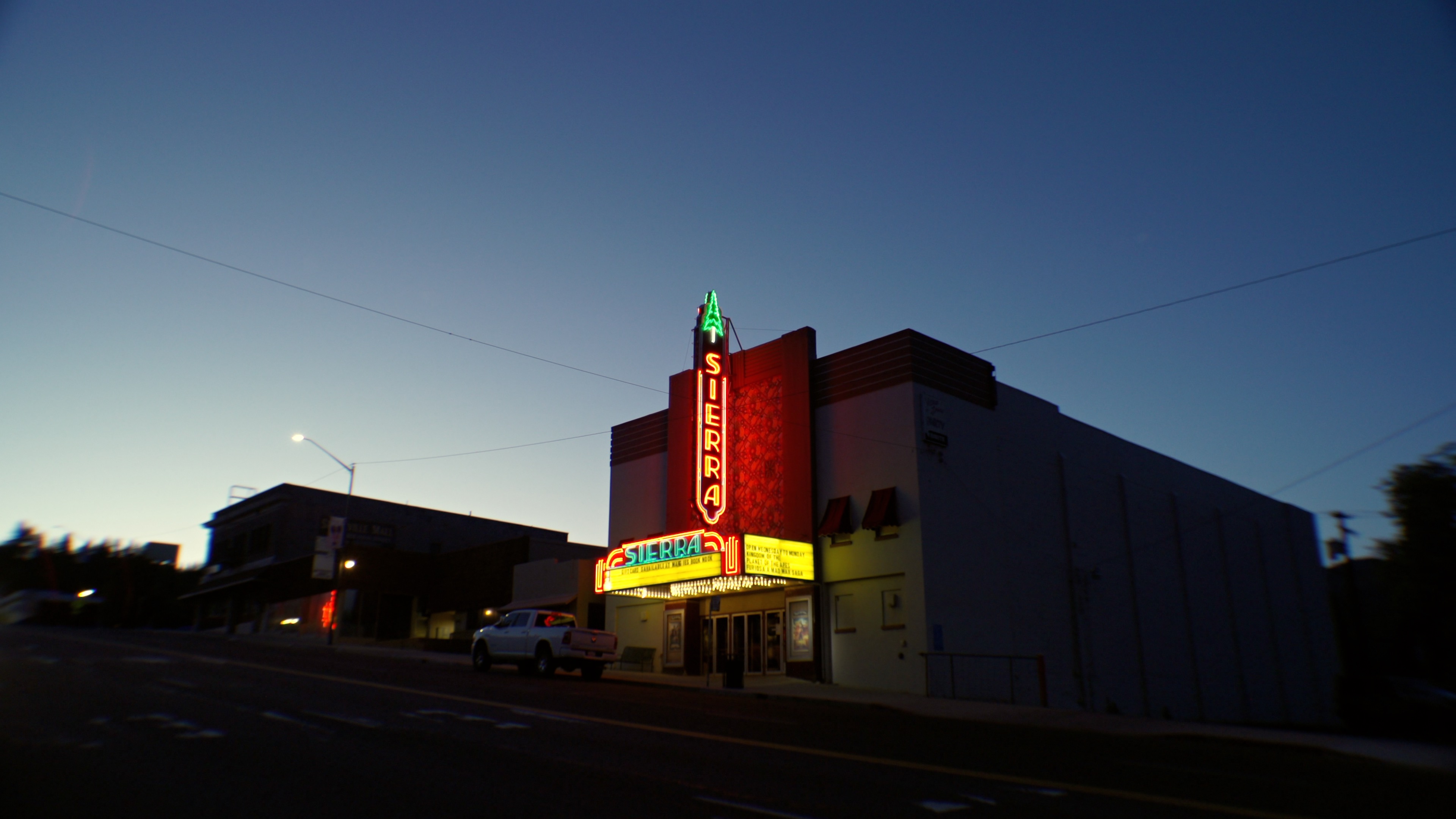
In order to make The Last Picture Shows, Thompson traveled thousands of miles through ten different states in the U.S., looking for various small-town cinemas. Some of them still work; others have been transformed into Subway restaurants or live concert venues, and others have simply been demolished or abandoned. The point of The Last Picture Shows is to show that cinemas used to be the pride of these kinds of small towns, usually located downtown or on the main avenue, and through the years have had to fight against other forms of entertainment, and more modern inventions such as the TV or, of course, streaming.
Now, since The Last Picture Shows was shot a couple of years ago, it also deals with the consequences of COVID. Many of the people interviewed in the documentary – the owners, projectionists and managers of the cinemas – talk about how the pandemic and the lockdowns affected their jobs, and how things have not necessarily been the same since those days. Most importantly, the movie includes interviews with a film professor and historian, who says that the pandemic made people forget certain traditions, such as going to the cinema, and that returning to a tradition after some time can be difficult for any person.
In order to make The Last Picture Shows, Thompson traveled thousands of miles through ten different states in the U.S., looking for various small-town cinemas. Some of them still work; others have been transformed into Subway restaurants or live concert venues, and others have simply been demolished or abandoned. The point of The Last Picture Shows is to show that cinemas used to be the pride of these kinds of small towns, usually located downtown or on the main avenue, and through the years have had to fight against other forms of entertainment, and more modern inventions such as the TV or, of course, streaming.
Now, since The Last Picture Shows was shot a couple of years ago, it also deals with the consequences of COVID. Many of the people interviewed in the documentary – the owners, projectionists and managers of the cinemas – talk about how the pandemic and the lockdowns affected their jobs, and how things have not necessarily been the same since those days. Most importantly, the movie includes interviews with a film professor and historian, who says that the pandemic made people forget certain traditions, such as going to the cinema, and that returning to a tradition after some time can be difficult for any person.
Below are links to additional sites that discuss this new documentary:
Notes on video:
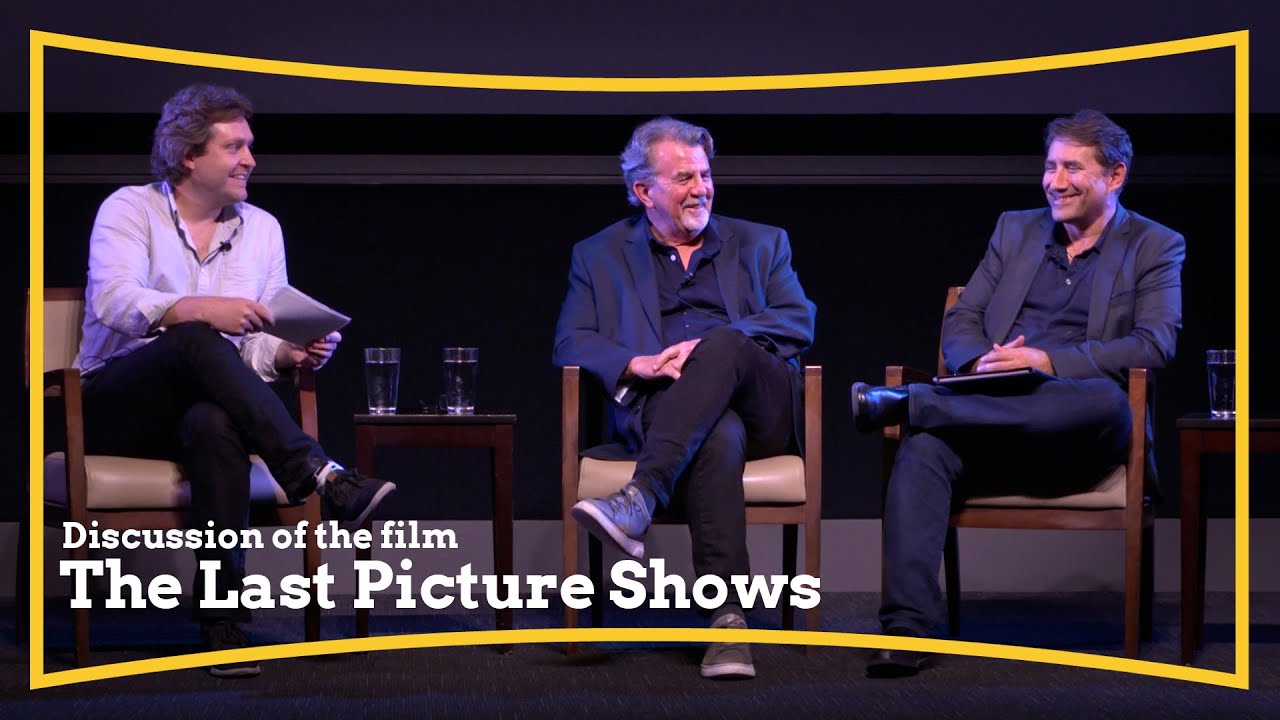
On December 4, 2025 filmmaker Rustin Thompson and film historian Ross Melnick joined moderator Rich Farrell (Film and Media Studies, UCSB) to discuss Thompson’s documentary The Last Picture Shows, a portrait of the decline of small-town movie theaters in the American West. Together, they explore formative moviegoing memories, the history of film exhibition, lean-team documentary practice, cinema deserts, and the cultural importance of preserving theaters as communal spaces in an era of major industry change.