Evaluating used equipment for a planned microcinema

Collapse
X
 
  • Time
  • Show
Clear All
new posts
  • Jim Cassedy
    Film God
    • Jan 2020
    • 1450
    • San Francisco

    #16
    Originally posted by Stefan Scholz
    If there is a choice I'd go for the Barco 10S. At least this has a Xenon lamp,
    and not UHP mercury, which is always green blueish, at least for me.
    When I first started working at my current venue, all 5 auditoriums were equipped
    with SONY 515-B projectors, which, at that time, were almost a decade old. Each one
    used SIX UHP bulbs, except in the big auditorium, in which we used a dual projection
    configuration for both 2D and 3D to get better brightness on a large screen, so we
    were burning 12 bulbs in that room for every show. The nice thing about the UHP
    multi-bulb configuration was that you could loose a bulb or even two, and not
    lose a show. 99% of people probably wouldn't notice the difference on screen.
    Also, since each bulb came mounted in a little plug-in assembly which also had
    it's own min-reflector inside, bulb changing was quick and easy. Pull one out,
    and then plug another one in. No wait for cool down, no bulb/reflector twiddling
    and you didnt have to dress up in a Kevlar space suit to change a bulb. The
    downside was that bulb changes were an almost constant task, since almost
    every week, some bulb, somewhere in the complex needed to be changed.
    Disposal of the bulbs was another task, since we couldn't just toss them in the
    trash because of the mercury. We had to arrange (and pay for) special pickups
    by a hazardous waste company whenever we had a bunch of dead bulbs in
    boxes that we wanted to get rid of. The other downside was the greenish-blue tint
    your mentioned which those bulbs added to everything. Even the best technicians
    who did the major servicing and alignments on our projectors couldn't get a nice, flat,
    white light on screen. As the projectors aged, a blue-green fringing was always
    present at the very edges of the image. For their final year of operation, we hid the
    worst of it by closing the masking a tiny bit. Last year all the projectors were
    replaced with BARCO laser models. (SP4k-12c's in the smaller auditoriums and
    a big friggin BARCO LS4k-HDR projector in the large room) All of them look great,
    but mostly I was glad to cross 'bulb changing' off of my weekly task list, and I no
    longer have to wince at bluish-green whites whenever I walk into an auditorium.


    Comment

    • Leo Enticknap
      Film God
      • Jan 2020
      • 3572
      • Loma Linda, CA

      #17
      As Jim points out, the big selling point of mercury discharge lamps over xenon arc is that there are no special safety precautions or training needed to handle them (e.g. the use of protective clothing). Yes, xenon looks better, but if you need to call a tech out to replace a lamp and the cost of that is an issue, that is an argument in favor of an NC900, 1000, or Barco 6E or 8E, even though image quality takes a hit.

      Comment

      • Buck Wilson
        Film Handler
        • Jan 2020
        • 52
        • St. Joseph, Missouri, USA

        #18
        Ari, as Jack mentioned, it's certainly a scary market to jump into. I'd personally love a progress thread or something in the ground-level subforum, or some other such way to keep updated with your project as a micro cinema is a dream of mine as well. Unfortunately, I'm in no financial position to do it.

        Comment

        • Ari Herman
          Newbie
          • Aug 2026
          • 8
          • Seattle, WA, USA

          #19
          Originally posted by Leo Enticknap
          As Jim points out, the big selling point of mercury discharge lamps over xenon arc is that there are no special safety precautions or training needed to handle them (e.g. the use of protective clothing). Yes, xenon looks better, but if you need to call a tech out to replace a lamp and the cost of that is an issue, that is an argument in favor of an NC900, 1000, or Barco 6E or 8E, even though image quality takes a hit.
          I actually didn't know about this. I'm guessing I would need to swap xenon lamps about once a year. It changing them something that anyone of reasonable intelligence can do, or does it require special knowledge and/or equipment? Sounds like the lamps themselves are not prohibitively expensive if being changed ~1 time per year.

          Comment

          • Marco Giustini
            Film God
            • Jan 2020
            • 1169
            • Reading, UK

            #20
            The lifetime of a xenon lamp depends on the model - lower wattage will last more (3000 hours approx) while higher wattage will last less (500hrs approx). An S10 can fit a 2kW if not mistaken so it's probably going to be around 3000hrs (all numbers here are blurry from a few years ago so take them with a pinch of salt).

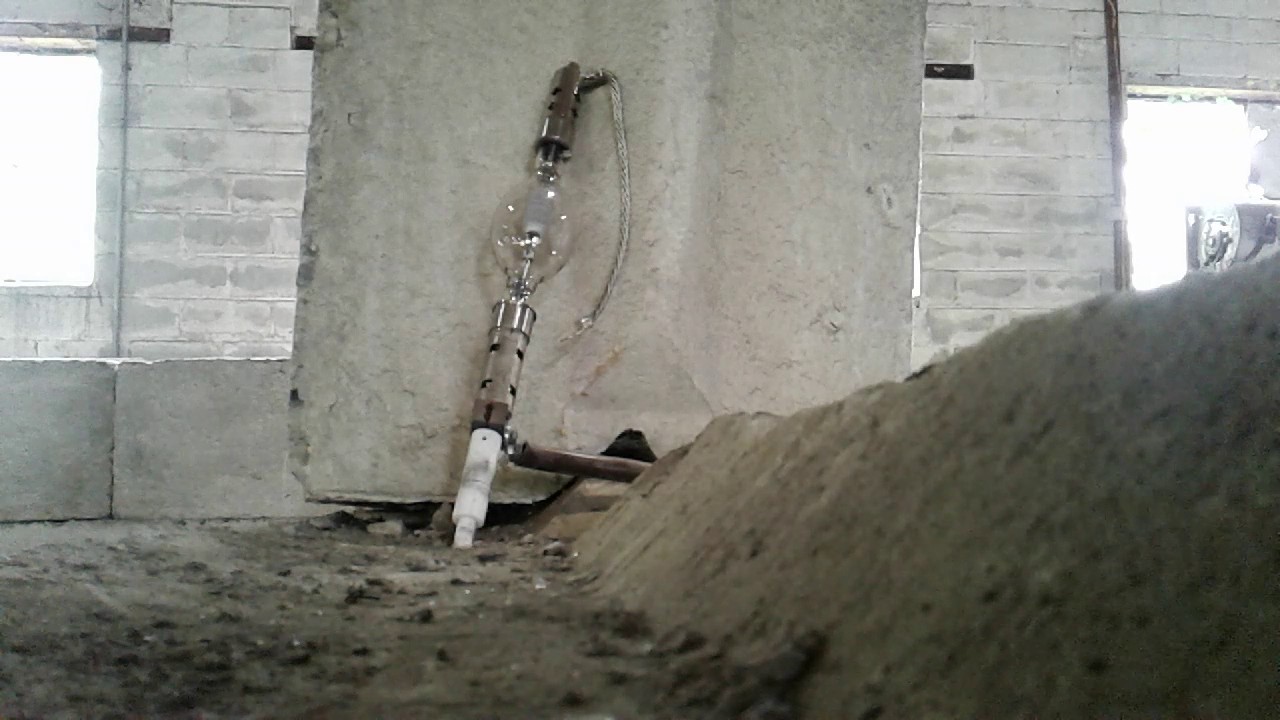
            Xenon lamps are pressurised bulbs. Even when cold I believe they are at 8bars. So you need a "welder" protection (face, arms, hands and down to your waist) just to handle them as they might explode even if properly handled. You just need some training to understand what to do, what NOT to do, how to handle them, how to align them, how to dispose of them. Nothing terrible but not something the average cinema staff can do.

            Comment

            • Leo Enticknap
              Film God
              • Jan 2020
              • 3572
              • Loma Linda, CA

              #21
              The analogy I would use is with doing your own car oil changes. The old cliiche "it's not rocket science" applies, but it's a procedure you need to be trained to do. Getting it wrong can cause damage both to your car (e.g. if you start the engine with an empty oil pan or fail to check for leaks after reinstalling the drain plug and filter) and yourself (if you don't bother with jack stands or ramps and work under the car with it supported only by a trolley jack). The same applies with a xenon arc lamp: get fingerprints on the bulb, or install a 2kW lamp and then tell the projector's software that it's a 6.5, and the result could be costly damage to the projector. If it explodes while you are holding it without wearing a protective face shield and ballistic jacket, you will likely sustain a serious injury.

              Comment

              • Marcel Birgelen
                Film God
                • Jan 2020
                • 3619
                • Maastricht, NL

                #22


                This video might be an indication why you really want to protect yourself while handling those things.

                Comment

                • Mark Gulbrandsen
                  Film God
                  • Jan 2020
                  • 3093
                  • Nashville, TN

                  #23
                  I equipped two mini-Cinemas in Ketchum, ID some years back, probably around 2016ish. One side was 34 seats and the other was 74. Upstairs in that same building were the four main theaters of the complex, which had always done a brisk amount of business. But amazingly, the mini Cinemas were incredibly popular with the movie goers there. Both sets of equipment shared a common booth. I used NC-1200's, USL processors, and QSC speakers in both of them. About five years ago, the owner did not want to pay a rent increase and closed the two small screens, as profit from them was obviously limited. The four upstairs theaters are still there and have been for over 35 years. I also converted those to digital as well way back when. My thinking from this whole thing is you should probably own the building you put mini cinemas in, or have a very long term lease fixed at a reasonable amount of $$$$ if that is even possible to do these days.

                  I am also surprised that more people are not converting their series 2 projectors to laser with one of the many laser kits that are available today. Doing that is way, way cheaper than a new projector.

                  Comment

                  • Gordon McLeod
                    Expert Film Handler
                    • Jan 2020
                    • 565
                    • Toronto Ontario Canada

                    #24
                    The issue causing ballast failures in the 900 was when a lamp exploded it shorted the ballast and it would fail. The fix was to put Kapton tape on the frame of the lamp> After Ushio redesigned the lamp we never had any more ballast failures. What we have had on the 1000c is having to replace the integrator rod on each unit we have in service

                    Comment

                    • Tj Hopland
                      Pro Film Handler
                      • Jun 2025
                      • 264
                      • Minneapolis, MN

                      #25
                      On the lamp changing front the Barco's also use a module that is just held with 2 screws and slides in and out. The idea is that you could have the qualified person change the lamp and do the alignment in any machine then stick the module now with a new lamp installed on the shelf so a person with minimal training can fairly easily and safely just swap modules when needed.

                      On the S machines the hours and lamp size need to be reset within the software to accurately track the hours but that can possibly be done remotely or within a couple days (assuming the size was the same) when the qualified person is back on site. The Barco C and B machines the lamp type and hours are stored on the module itself so that would get reset as part of the testing and alignment process so it will be good to go in any machine its installed in later. A recurring theme that will keep coming up is cost. When new a spare module or two for a multiplex wasn't significant but for a near end of support used machine could cost more than the machine. Barco was the only one that did this module thing for the xenons.


                      Something I don't think I have seen mentioned so far is screen size and the lens. You said 'micro' so I think we are all assuming less than a 20' screen which was about what the 900 could do when it was new. No problem for the 10s, it could likely to that with a 1200w lamp. A used or well used projector isn't going to be putting out anywhere near the same light as when it was new so I would keep that in mind.

                      On the lens front there are/were several lenses available for different distances and picture sizes. The lasers use the same lenses so they are still available but the cost of a new one is likely going to be 1/2 to maybe as much as you are likely to pay for the used projector so that has to be considered when you are crunching all the numbers. If the lens that is with the used projector is correct for your space then great but if its not you could be looking at doubling your budget to get the correct lens.

                      You also need to make sure your space and screen is within the range of the lenses that were available for that family of machines. I believe both the small NEC and Barco were the same and the ratio range is 1.2 to 3.9. That range isn't a single lens that's like 4 different models. There are calculators to figure it out exactly but rough round numbers its just a ratio of width to distance. So 20' wide screen you are going to have to be between 24' and 70' away. Again those were just quick round numbers, actual calculations will be a little different but its a starting point. If you are at 15' or 90' with a 20' screen its not going to work with most of the projector and lens options.


                      When comparing the 900 and 10s here are some other differences that should go on the pro and con list. Which things are pros and which are cons will depend on your situation. Not likely a clear winner or deal breaker just different so depending on the space and whats maybe there or what the deal with the landlord may be if its not a long term deal.

                      Electrical power:
                      The 900 has a C19/20 connector which is the bigger version of the typical 'computer' plug. Its got a switch near the power connector to select between 120 and 220v so it can run off a 'regular' 120v outlet. Ideally a 20a commerical grade one, not a 15a on extension cords sharing with other things. It will also run on 208-240, 15 or 20 amp is fine, it doesn't draw that much but 15 is the smallest you typically find. You can fairly easily get cords with various ends on to match what ever plug you have or have installed. The 10s from the factory is hard wire so screw terminals inside the back and has to be 208-240, 20a. Typically they get cords installed and you can then put a plug on the end if needed and required by local codes.

                      Ventilation:
                      The 900 just vents into the room so all you have to consider is the extra heat being generated, lasers are also this way if you are thinking about the future. The 10s has a 8" pipe that is supposed to be connected to an external fan. I have not checked the national codes in the last few years but not that long ago xenon projectors were required to be exhausted outdoors which depending on the space could be impractical and also means you have to think about replacing that air that is being exhausted hopefully not with popcorn smoke. This rule comes from the early days of xenon in the 1960's when during operation they created a lot of ozone. Fairly quickly they figured out how to make the quartz so it blocked much of what ever wavelength was causing the problem but that rule remained on the books. Is it always enforced? Your results may vary.

                      Light output vs age:
                      As mentioned earlier the 900 you are replacing the lamp module which includes the main reflector/mirror so at least the age of the reflector isn't a factor since you in theory are getting a new one with every lamp. The xenon machines the reflectors don't typically get changed and do age and become less reflective. They are still available but similar to the lenses the cost is likely in the ballpark of what the whole used machine is worth. In this case the 10s likely has the headroom so its not going to be a problem but that could mean that a 1200w lamp won't cut it so you would have to run the higher cost (both initial and operating) 1600 or 20000w bulb. Now if NEC quits making the 900 modules and you can only buy refirbs? Or some 3rd or 4th party makes a 'compatible' module?

                      Comment

                      • Ari Herman
                        Newbie
                        • Aug 2026
                        • 8
                        • Seattle, WA, USA

                        #26
                        @Tj Hopland Thank you for this detailed reply. Yes, I'm planning to have a screen that is 17'-20' and that is one reason I am leaning towards the Barco. Can anyone else weigh in on the ventilation question? Is this rule enforced? Is it quite important to ventilate these systems to the outside?

                        Comment

                        • Leo Enticknap
                          Film God
                          • Jan 2020
                          • 3572
                          • Loma Linda, CA

                          #27
                          If it's a very small xenon arc lamp and you have very good HVAC in the booth (including air extraction as well as intake), you could possibly get away with putting an inline fan on top of of the lamphouse and venting to the room. But the bottom line is that a xenon arc lamp needs forced air cooling (the projector's installation manual will give you the minimum CFM figure), and in most situations that means an exhaust duct direct to outside the booth.

                          Comment

                          • Marco Giustini
                            Film God
                            • Jan 2020
                            • 1169
                            • Reading, UK

                            #28
                            Do I remember right or the 10S did not require forced extraction - at least up to some wattage? I believe I installed a few without extraction. No external extraction has many drawbacks but it has one massive upside: you're not pulling in dust from outside. Every single projector which exhausted in the room I have serviced have been spotless inside

                            Comment

                            • Leo Enticknap
                              Film God
                              • Jan 2020
                              • 3572
                              • Loma Linda, CA

                              #29
                              It didn't. You could take the duct/cover off the back of the lid (that directed the lamphouse exhaust air backwards) and install an optional exhaust duct manifold in its place. It required 140 CFM of extraction, which most home and office HVAC systems manage from a typical projection booth sized room anyways.

                              The "table top" Series 1 NECs (NC800 and iS8-2K) didn't even have an optional exhaust duct manifold, despite using xenon lamps (though they were pretty small - 800w if I remember correctly).

                              Comment

                              • Ryan Gallagher
                                Film God
                                • Nov 2022
                                • 2855
                                • Austin, Texas, USA

                                #30
                                As a 50 seat room project, I think the exhaust topic begs some other basic questions about intended use cases, 1st runs?, business model, etc... like is there even a "booth" involved in this space? Big xenon not in a booth with full exhaust is possible (we have that setup here), but requires some real effort making a hush box and moving the exhaust sounds somewhere less offensive.

                                Comment

                                Working...